
How Vision Changes with Age and What You Can Do About It

How Vision Changes with Age and What You Can Do About It

How Vision Changes with Age and What You Can Do About It

How Vision Changes with Age and What You Can Do About It

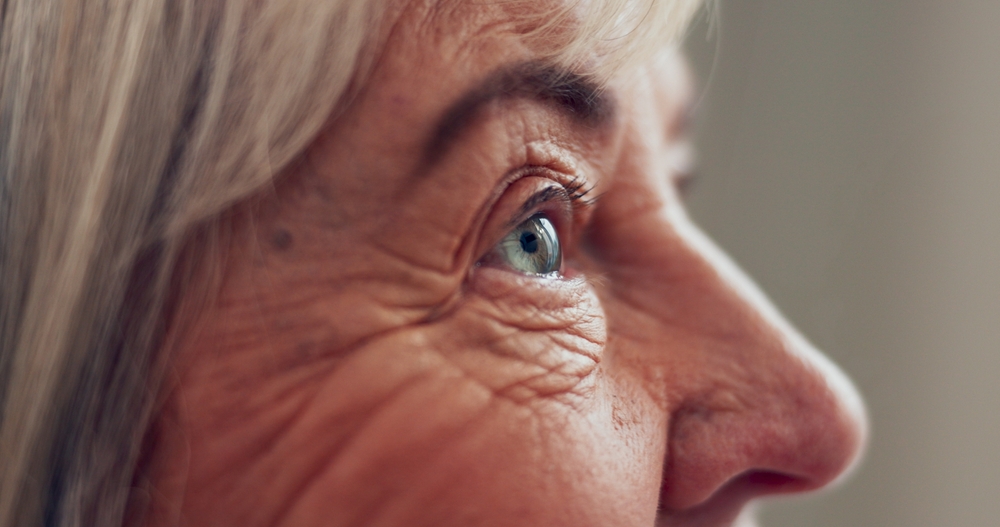
Our vision naturally changes over time. Some shifts are mild and expected, while others can affect daily comfort, reading, driving, and overall eye health. Knowing what to watch for can help you stay ahead of these changes and protect your long-term vision.
Why Age Affects Your Eyes
As we get older, the structures inside the eye change. The lens becomes less flexible, the eye may produce fewer tears, and the risk of certain eye conditions increases. This does not always mean there is a serious problem, but it does mean regular eye care becomes more important with each decade.
Many adults first notice age-related vision changes when close-up tasks become harder. Others may experience more glare at night, slower adjustment between light and dark, or increased eye fatigue.
Common Vision Changes with Age
One of the most common changes is presbyopia, which usually begins in the 40s. This is the gradual loss of the eye’s ability to focus on nearby objects. You may find yourself holding menus or phones farther away to see clearly.
Other age-related changes can include:
- Blurry near vision when reading
- Increased sensitivity to glare
- Dry, irritated, or watery eyes
- Trouble seeing clearly at night
- More frequent prescription changes
These symptoms can be frustrating, but they are often manageable with the right care and eyewear.
Eye Conditions That Become More Common
Aging also raises the risk of eye diseases that may not cause obvious symptoms at first. Cataracts, glaucoma, age-related macular degeneration, and diabetic eye disease can all affect vision over time. Because some of these conditions develop gradually, many people do not realize there is a problem until vision loss has already started.
Routine eye exams are important because they help detect these issues early, when treatment is often most effective.
What You Can Do to Protect Your Vision
Staying proactive can make a real difference. Wearing updated prescription glasses or contact lenses, using proper lighting, and protecting your eyes from UV exposure can improve both comfort and clarity. If dryness is part of the problem, treatment recommendations may help keep your eyes healthier and more comfortable.
Healthy lifestyle habits matter too. Managing blood sugar, blood pressure, and cholesterol supports eye health. Eating nutrient-rich foods, avoiding smoking, and giving your eyes breaks from screens can also help.
When To Schedule an Eye Exam
If you notice changes in focus, more headaches, eye strain, or difficulty driving at night, it is a good time to schedule an exam. Even if your vision seems stable, regular visits are still important as you age. A comprehensive eye exam can help determine whether your changes are part of normal aging or a sign of something that needs treatment.
At Vision Quest Optical, we help patients understand how their vision is changing and what solutions make the most sense for their lifestyle, whether that means updated lenses, treatment recommendations, or ongoing monitoring.
Contact Vision Quest Optical in Bay City and Midland, Michigan by calling (989) 778-1414 or (989) 835-2020 to schedule your comprehensive eye exam.


Patient Reviews
Testimonials


© 2026 Vision Quest Optical, All Rights Reserved. Privacy Policy. Sitemap

Powered by:
