
Stop Swapping Your Specs: Why Transition Lenses are a Game Changer for Bay City Summers

Stop Swapping Your Specs: Why Transition Lenses are a Game Changer for Bay City Summers

Stop Swapping Your Specs: Why Transition Lenses are a Game Changer for Bay City Summers

Stop Swapping Your Specs: Why Transition Lenses are a Game Changer for Bay City Summers

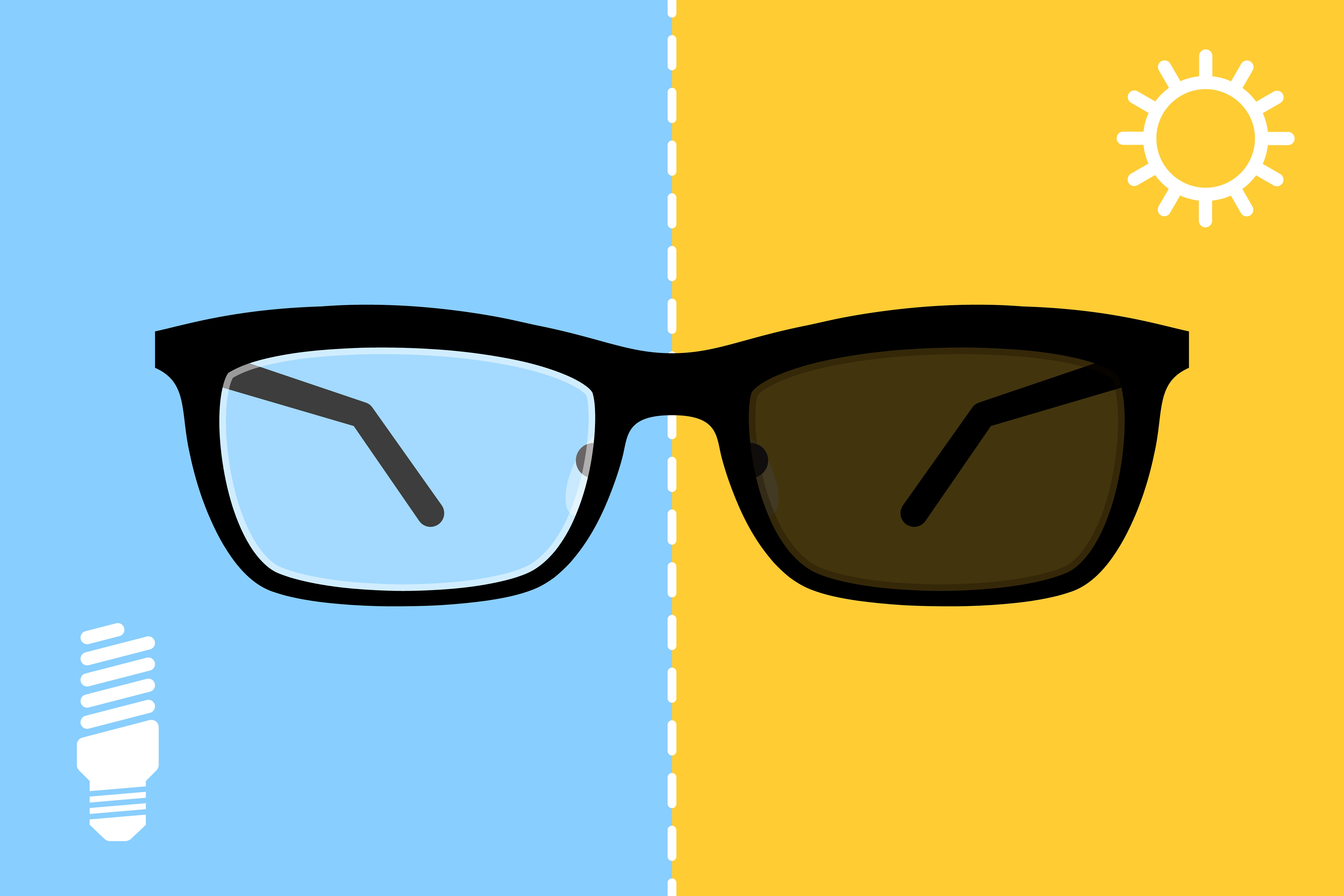
Summer in Bay City means bright mornings, changing weather, waterfront plans, road trips, and plenty of time moving between indoors and outdoors. If you wear prescription glasses, you may know the routine well. You step outside and reach for sunglasses, then walk indoors and switch back to clear lenses. It works, but it is not always convenient.
Transition lenses, also known as photochromic lenses, can simplify your day by adapting to changing light. They darken outdoors and return to clear indoors, giving you comfortable vision without constantly swapping glasses.
What Are Transition Lenses?
Transition lenses are prescription lenses that automatically adjust based on light exposure. When you are outside in sunlight, the lenses darken to help reduce brightness and improve comfort. When you return indoors, they gradually become clear again.
For patients in Bay City, this can be especially helpful during summer when plans often shift from driving to shopping, walking, boating, dining, or running errands. Instead of carrying two pairs of glasses, one pair can support your vision in different lighting conditions.
Why Bay City Summers Can Be Tough On Your Eyes
Bright sun, reflective pavement, water glare, and long outdoor days can all make your eyes work harder. Squinting in bright light may lead to eye strain, headaches, and reduced visual comfort. Even partly cloudy days can still expose your eyes to UV rays.
Transition lenses help reduce the need to squint while giving your eyes a more comfortable viewing experience. They are not just about convenience - they are about helping your everyday glasses work harder for your summer lifestyle.
Benefits Of Transition Lenses
Transition lenses can be a smart choice for patients who want one pair of glasses that adapts throughout the day. They are especially useful for people who are frequently on the move or who dislike carrying prescription sunglasses everywhere.
Transition lenses may help with:
- Reducing brightness when you step outdoors
- Making everyday errands more convenient
- Supporting clearer, more comfortable vision in changing light
- Reducing the need to swap between glasses and sunglasses
- Helping protect the eyes from UVA and UVB rays
- Offering prescription clarity in both indoor and outdoor settings
For many Bay City patients, the biggest benefit is simplicity. Your glasses adjust as your environment changes.
Are Transition Lenses The Same As Sunglasses?
Transition lenses are helpful, but they are not always the same as a dedicated pair of prescription sunglasses. Traditional prescription sunglasses may be darker, more specialized, or available with polarized lenses that reduce reflected glare from water, roads, and windshields.
That means transition lenses are ideal for daily convenience, while prescription sunglasses may still be a better choice for boating, fishing, long drives, or high-glare conditions. Many patients choose both options - transition lenses for everyday wear and prescription sunglasses for extended outdoor activities.
Who Should Consider Transition Lenses?
Transition lenses may be a good fit if you wear glasses most of the day and regularly move between indoor and outdoor spaces. They can be helpful for students, professionals, parents, retirees, and anyone who wants less hassle from their eyewear.
They may also be useful if you are light sensitive or often find yourself squinting outside. If your current glasses do not keep up with your lifestyle, asking about transition lenses during your next optical visit can help you explore a more convenient option.
Choosing The Right Lens Features
Not all lenses are the same. Your prescription, frame choice, lifestyle, and daily activities all matter. Some patients need thinner lens materials, anti-reflective coatings, scratch resistance, blue light support, or options that work better while driving.
At Vision Quest Optical in Bay City, our team helps patients compare lens choices and find the right combination of comfort, clarity, and style. With access to eyeglass lens technology, sunglasses, and high-fashion frames, our opticians can guide you toward eyewear that fits how you actually live.
Upgrade Your Everyday Glasses This Summer
If you are tired of switching between regular glasses and sunglasses, transition lenses may make your summer easier. They offer a simple way to manage changing light while keeping your prescription vision clear throughout the day.
Visit Vision Quest Optical in Bay City, MI to explore transition lenses and summer eyewear options by calling (989) 778-1414. Find us at 3801 Wilder Road Suite 4, Bay City, MI 48706.


Patient Reviews
Testimonials


© 2026 Vision Quest Optical, All Rights Reserved. Privacy Policy. Sitemap

Powered by:
